Used auto parts cost 40-70% less than new and 30-50% less than remanufactured. Over the life of a single repair, that gap can be the difference between keeping a car on the road and writing it off. The catch is knowing which parts are safe to buy used, where to source them, and how to evaluate quality before you hand over money. This is the complete buyer’s guide — written from a full-service salvage yard in Indianapolis that sells used parts every day.
Last updated: May 2026
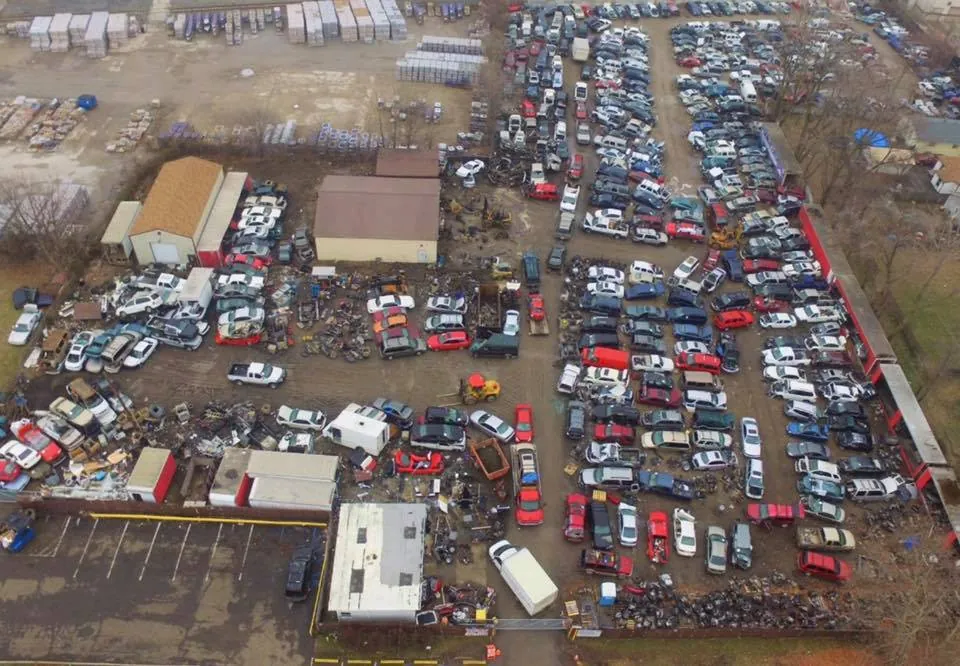
If you have never bought from a salvage yard or pulled a part off an online listing, the whole thing can feel like a gamble. It does not have to be. The used-parts market is bigger and more structured than most people realize — the Automotive Recyclers Association reports that roughly 12 million vehicles get processed by professional yards every year across the U.S. and Canada, generating an inventory of millions of cataloged, tested parts. There is an entire industry built around getting those parts from a wrecked car into a working one, with supply chains and warranties to match.
This guide covers everything: where to buy, what to buy, what to skip, what to inspect, what warranty to expect, and how the math actually works versus new or remanufactured. We sell these parts every day at The New Country Auto Parts on Stanley Avenue, and we wrote this from the other side of the counter — so you can buy smart whether you are shopping with us or someone else.
Why Buy Used Auto Parts?
The case for used parts comes down to three things: cost, availability, and environment.
Cost. A new alternator from a dealer can run $400-$600 for a common sedan. The same part remanufactured is $150-$250. Used from a salvage yard with a 30-day warranty is $40-$100. Multiply that across an entire repair — engine, transmission, body panel, suspension component — and the gap gets bigger fast. The Federal Trade Commission makes the same point about used vehicles that applies to used parts: depreciation is highest in the first few years, and there is real value left in the part after that drop.
Availability. For vehicles over ten years old, OEM parts often are not manufactured anymore. The only way to get an original-equipment replacement is to pull one off another vehicle of the same year, make, and model. Salvage yards are where those parts live. If you own a 2008 Honda Civic and need a specific interior trim piece, you are not getting it new — you are getting it from a yard.
Environment. Cars are among the most recycled products on earth. The ARA reports that about 86% of a vehicle’s material content gets recycled, reused, or recovered. Buying a used part keeps usable inventory in service instead of melting it down to feed a new manufacturing run.
Where to Buy Used Auto Parts
There are four main sources. Each has tradeoffs.
1. Full-Service Salvage Yards
A full-service yard has parts-pullers on staff and an organized inventory. You call or walk in, tell them what you need, they check availability, pull it for you, and you walk out with a tested part and a warranty. This is the path of least resistance for anyone who does not want to crawl through a junkyard with a wrench.
Pricing sits in the middle: more than self-service, less than online with shipping, often less than aftermarket new. Warranty is the standout — full-service yards typically include 30 days minimum on every part. Customer service is the other advantage: you can talk to someone who knows whether the part actually fits your vehicle, which model years interchange, and what to inspect at home.
This is the TNCAP model. We carry hundreds of vehicles, our staff pulls the parts, and every sale includes a 30-day warranty — if the part fails, we replace it with the same part if we still have one, or refund as store credit if we do not.
2. Self-Service / U-Pull Yards
Self-service yards bring vehicles in, set them on blocks, and let customers pull parts themselves. Pull-A-Part on Producers Lane and Indy U-Pull-It on West 16th Street are the well-known options in Indianapolis. The model: cheaper sticker prices, but you do all the labor, you bring all the tools, and warranty terms are typically thinner than full-service.
Best for: experienced DIYers who already know exactly what part they need, how to remove it, and which donor vehicle to target. If you have never pulled a fender or a starter before, the savings can evaporate in a half-day of frustration. Closed-toe shoes and your own tools are required; some yards have safety vest rules; check hours before you drive over. New to wrenching in a yard? Our beginner’s guide to pulling parts from a junkyard covers the gear, the tool list, and the removal process step by step.
3. Online Salvage Networks
Car-Part.com is the dominant online catalog — it aggregates inventory from thousands of yards across North America, so you can search “2014 Toyota Camry alternator” and see live listings with prices, mileage, and yard contact info. LKQ Online is the consumer-facing storefront of the largest auto recycler in North America. eBay Motors carries used parts as well, sourced from yards and private sellers.
Online widens your search radius dramatically and shows pricing across many yards at once. The tradeoffs: shipping cost (engines and transmissions can run $200+ to ship freight), no chance to inspect before purchase, return-policy variability, and warranty terms that change from seller to seller. Online makes the most sense for harder-to-find parts that local yards do not have, and the least sense for heavy or fragile items where shipping eats the savings.
4. Facebook Marketplace and Private Sellers
The least regulated option. Prices can be low and the part might be exactly what you need, but you get no warranty, no return path, and limited recourse if the part does not work. Best reserved for low-value items where the downside is small (interior trim, floor mats, basic accessories) and worst for anything mechanical where verification matters.
Where-to-Buy Comparison
| Source | Price | Warranty | Convenience | Best For |
|---|---|---|---|---|
| Full-service yard | Mid | Strong (30 days+) | High — staff pulls part | Most buyers; first-timers |
| Self-service / U-pull | Low | Limited / exchange-only | Low — you do the work | Experienced DIYers |
| Online (Car-Part, LKQ) | Mid to high (+shipping) | Varies by seller | Mid — ships to you | Hard-to-find parts |
| Facebook / private | Very low | None | Low | Low-stakes accessories |
Which Parts Are Safe to Buy Used (And Which Are Not)
Not every part on a car is a good used buy. Some are practically risk-free; others can cost more in labor than you saved on the part. Here is the rule of thumb:
Safe to buy used:
- Body panels (doors, fenders, quarter panels, hoods, bumpers, mirrors)
- Glass (windshields, side glass, rear glass)
- Interior parts (seats, dashboards, trim, headliners, carpet)
- Wheels and rims
- Headlight and tail-light assemblies (especially OEM)
- Engines and transmissions, when properly tested
- Alternators, starters, electric motors
- Radiators and AC condensers
- Catalytic converters (if not stolen, with proper documentation)
- Infotainment and GPS units (when they can be paired to your VIN)
Risky or never buy used:
- Brake pads, rotors, calipers — wear items
- Tires — sidewall age plus tread wear
- Belts and hoses — rubber degrades over time
- Filters of any kind
- Clutch kits — wear part
- Suspension bushings — rubber again
- Spark plugs and ignition coils — consumables
- Timing belts and timing chains — one of the highest-stakes wear items in any engine
- Airbags — in many states it is illegal to resell them; always check
- Seatbelts — single-use after a crash
The general principle: anything that wears out, ages out, or is a one-time-use safety device is a bad used buy. Anything that is mostly metal or plastic and either works or does not is generally fine. The 30-day warranty on a used alternator is meaningful because the failure mode is binary. The “warranty” on used brake pads is meaningless because they are halfway through their life on day one.
How to Evaluate a Used Part Before You Buy
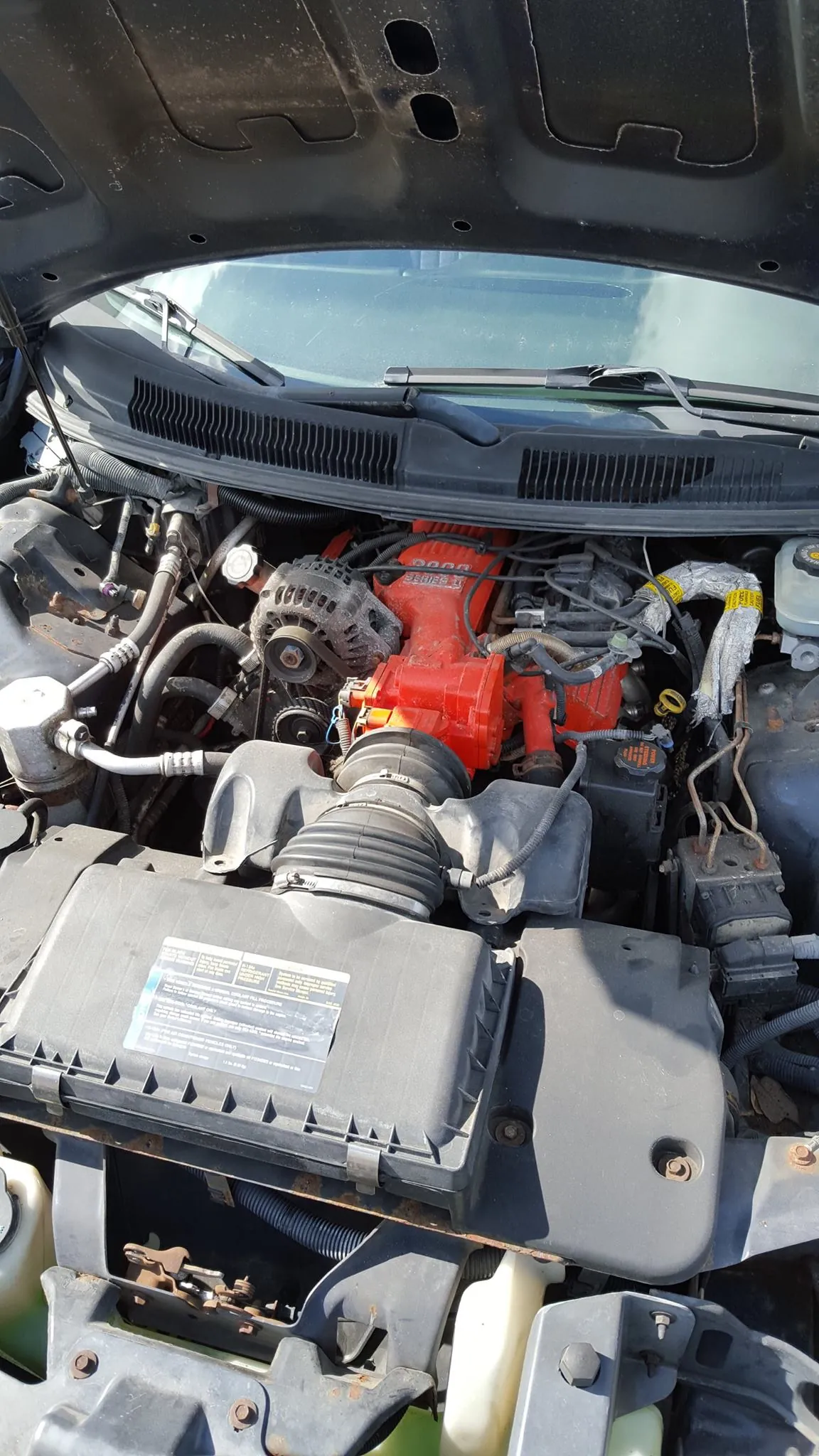
The single most useful skill in this whole game is knowing how to inspect a part. Five things to check.
1. Vehicle match. Use a free VIN decoder like the NHTSA vPIC tool to confirm year, make, model, trim, engine, and transmission. Many parts interchange across multiple years and trims, but not all — a 2014 and a 2015 of the same model might share an alternator but not seat brackets. Get the part number from a dealer or repair manual, or ask the yard to read it directly off the part.
2. Visual condition. Look for corrosion, cracks, leaks, missing fasteners, damaged connectors, and signs of impact. For body parts, inspect the back side as well as the front — a panel can look pristine from outside and be bondoed from behind. For electronics, check the connectors for corrosion or bent pins.
3. Mileage (when applicable). For engines, transmissions, and high-wear assemblies, ask for the donor vehicle’s mileage. Lower is better but not the only factor — a well-maintained 130k engine often outlasts a neglected 80k engine. For body parts and most accessories, mileage does not matter. Engines deserve their own checklist — we cover fitment, oil condition, and warranty terms in our used engine buying guide.
4. Test if possible. A full-service yard will often demonstrate that an engine cranks and runs before sale, or bench-test an alternator. For electronics, ask if they can power it up. Anything quoted “as-is, no testing” deserves a lower price and a closer look.
5. Recall history. Run the donor vehicle’s VIN through the NHTSA recalls lookup. If a part is subject to an open recall (most commonly airbag inflators), do not buy it — recall fixes often only apply to the original VIN.
What Warranty to Expect
Warranty is the single most important variable separating a good used-parts source from a bad one. Here is where the major sources sit in the Indianapolis market in 2026:
| Source | Warranty | Terms |
|---|---|---|
| LKQ (national) | 6 months | Longest national policy; replacement |
| Zore's Indy | 90 days | Longest local; varies by part |
| Indy U-Pull-It | 45 days | Exchange only |
| TNCAP | 30 days | Same-part replacement, or store credit if unavailable |
| Pull-A-Part | 30 days | Standard parts warranty |
The duration column does not tell the whole story. Some warranties are exchange-only — if the part fails, you bring it back and they swap it. Others include replacement and store credit if a swap is not possible. Almost none cover labor (the industry standard is part-only). And the return process matters: a 30-day warranty with clear, fast terms beats a 90-day warranty with so many exclusions it is effectively unusable.
At TNCAP our 30-day warranty works like this: if a part fails within 30 days, we replace it with the same part if we still have one in stock, or refund the purchase as store credit equal to what you paid if we do not. No labor coverage, no shipping refunds for parts picked up in person. Simple, honest, and we honor it.
When you are comparing yards, the questions to ask up front:
- How long is the warranty?
- Is it replacement, refund, or exchange?
- Does it cover labor, or just the part?
- Do I have to return the failed part?
- What is the actual return process?
Used vs. New vs. Remanufactured
For most parts you have three buying options. The differences:
New OEM. Made by the original manufacturer to original specs. Most expensive. Fullest warranty (typically 12-24 months). Available only for current and recent-model vehicles — once a model is 10+ years old, OEM supply dries up.
New aftermarket. Made by third parties to fit OEM applications. Cheaper than OEM new, sometimes by half. Quality varies wildly — top-tier aftermarket brands rival OEM, while bargain-bin aftermarket can fail in weeks. Warranty typically 30-90 days.
Remanufactured. Used parts that have been disassembled, inspected, had all wear components replaced with new, and re-tested. Pricing sits between new and used. Available for mechanical assemblies (engines, transmissions, alternators, starters) but rarely for body parts. Warranty often matches or beats OEM (12 months is common).
Used (salvage). Pulled from a donor vehicle, tested, sold as-is. Cheapest. Warranty typically 30 days to 6 months depending on source. Quality depends on the donor vehicle’s history and the rigor of the yard’s testing.
Typical pricing for five common parts, sedan-class vehicle:
| Part | New OEM | New Aftermarket | Remanufactured | Used (Salvage) |
|---|---|---|---|---|
| Alternator | $400-$600 | $150-$300 | $150-$250 | $40-$100 |
| Starter | $300-$500 | $120-$200 | $100-$200 | $35-$80 |
| Headlight assembly | $400-$1,200 | $150-$400 | n/a | $50-$250 |
| Door (painted) | $800-$2,000 | n/a | n/a | $100-$400 |
| Engine (long block) | $4,000-$8,000+ | n/a | $2,500-$5,000 | $500-$2,500 |
The decision usually comes down to three questions: how critical is the part, how long do you plan to keep the vehicle, and what is your downtime tolerance?
- Keeping the car forever? Reman or new on critical mechanical items.
- Selling within two years? Used is almost always the right call.
- Body damage or cosmetic? Used OEM body parts win on price and color match.
- Safety-critical (brakes, steering, airbags)? New, every time.
Full-Service vs. Self-Service: The Buyer’s Decision
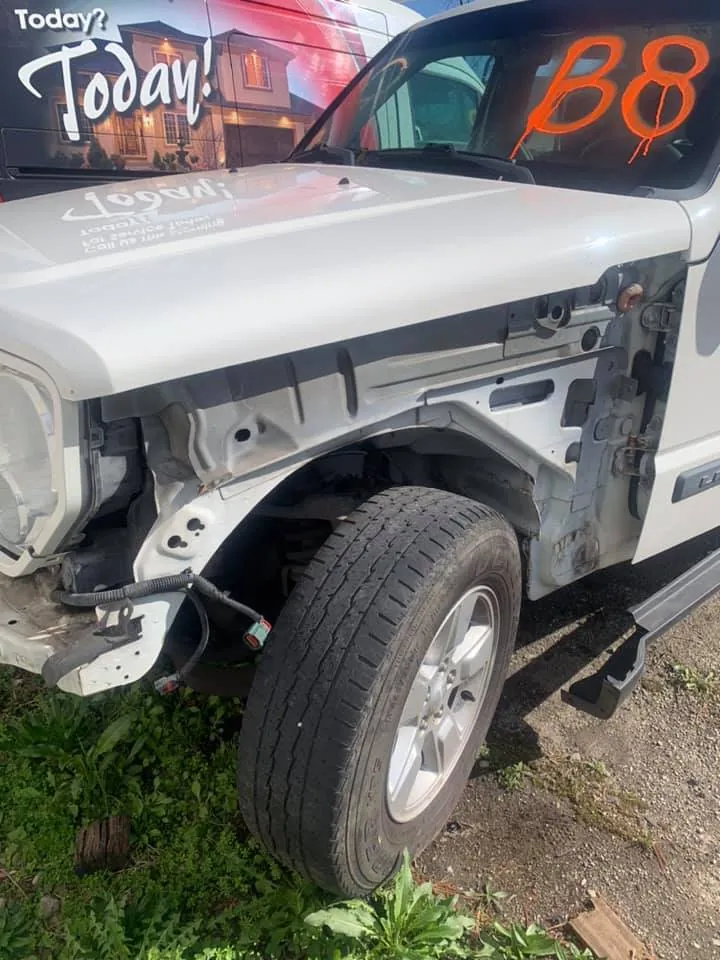
If you have settled on salvage yard as the channel, there is one more decision: do you pull the part yourself, or have the yard pull it for you?
Self-service (Pull-A-Part, Indy U-Pull-It): cheaper sticker price, but you are doing the labor and bringing the tools. Best for experienced DIYers who can identify, locate, and remove the part efficiently. Worst for first-timers or anyone who values their time over $20.
Full-service (TNCAP, Brothers, Zore’s): higher sticker price, but the yard does the labor and you get a tested part with a real warranty. The price difference between a self-pull alternator and a full-service alternator might be $20-$30; whether that is worth a half-day of crawling through a yard depends on your skill level, your tools, and the weather.
The hybrid model — which we run at TNCAP — lets customers do their own pulls at a discount on certain parts and inventory if they want to save and have the skills, but defaults to full-service for everyone else. Either way the warranty applies. We break the whole decision down in our self-service vs. full-service salvage yard comparison.
Looking for a specific part? Our staff checks inventory while you are on the phone. Call TNCAP at (317) 787-7555 or submit a parts request →
How to Actually Buy a Used Part: Step-by-Step
The standard process at a full-service yard:
- Know what you need. Year, make, model, trim, engine, and the specific part. The more precise the request, the better — "alternator for a 2014 Camry LE 2.5L" works; "alternator for a Camry" wastes everyone's time.
- Call or check online inventory. Most yards quote availability and price over the phone. If a yard publishes inventory online, search that first. We do not run an online feed at TNCAP — the yard turns over too fast for that to stay accurate — but a phone call gets you a yes/no in under five minutes.
- Confirm donor vehicle details. Ask the yard for the VIN of the donor vehicle, or at minimum the year and trim. That tells you whether the part actually interchanges with yours.
- Get the price and warranty in writing. Even a text message works. You want the price quoted and the warranty terms confirmed before you commit.
- Pickup or delivery. Most yards do in-person pickup. Some ship. Some — including TNCAP — can install on site for a labor fee or refer you to a local mechanic.
- Inspect before you leave. Take 60 seconds to verify the part matches spec, has no obvious damage, and includes all the brackets, connectors, or hardware you need.
- Keep your receipt. It is your warranty documentation. Without it most yards will not honor a return.
Common Mistakes When Buying Used Parts
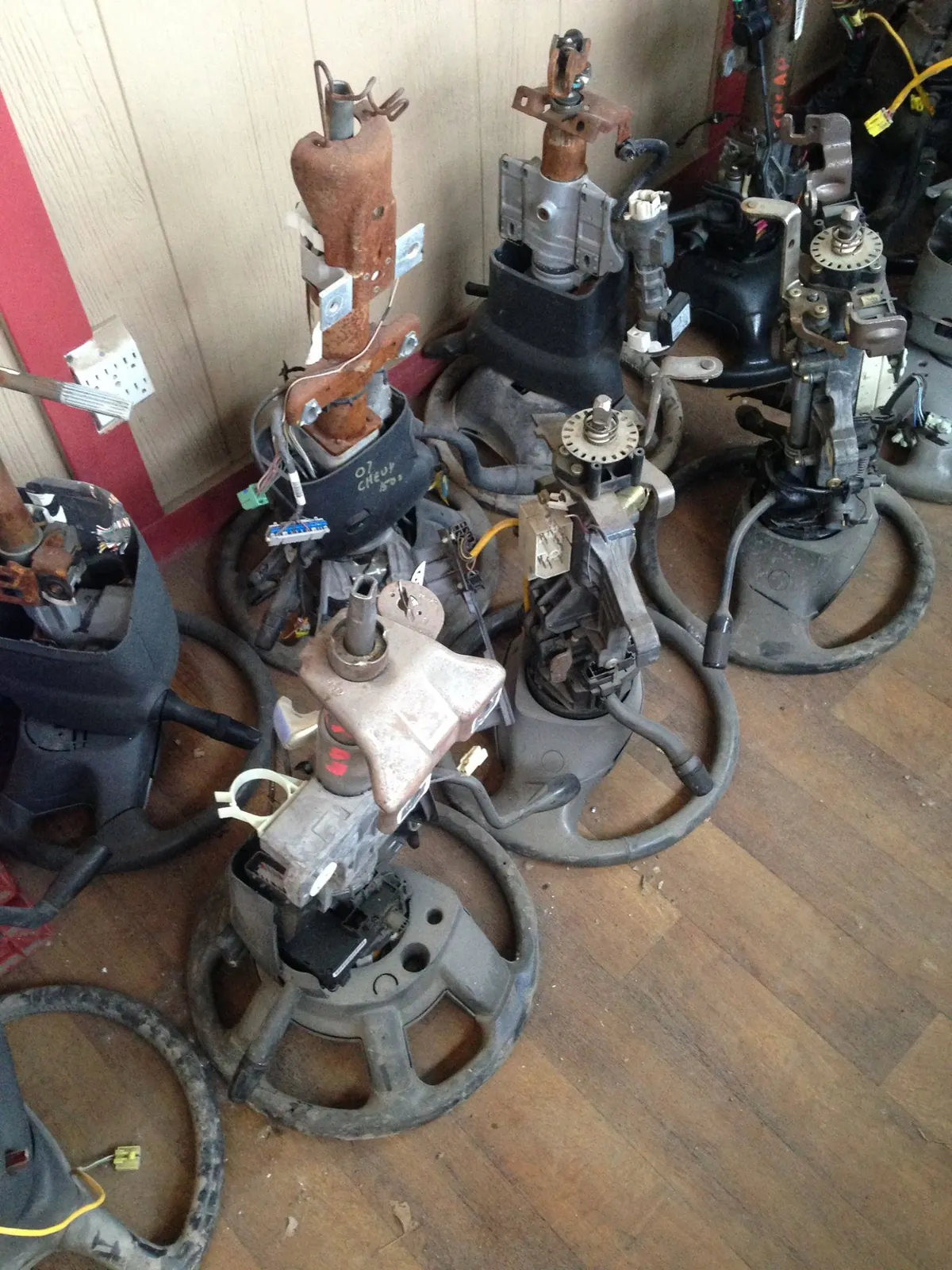
We see the same five mistakes again and again at the counter.
Buying without checking interchange. Just because two parts look identical does not mean they fit. A 2013 and a 2014 of the same model can use different sensors, brackets, or connectors. Always confirm the part number or interchange before paying.
Buying the cheapest option regardless of warranty. A $40 alternator from a U-pull yard with no warranty is worse than a $75 alternator from a full-service yard with 30 days of coverage. If the cheap one dies in week three, you have paid twice for the labor to install it.
Skipping the visual inspection. Especially online. A photo can hide cracks, leaks, or missing pieces. If you are buying from a yard you can drive to, drive to it.
Buying wear items used. Brakes, belts, hoses, tires, filters — these are designed to wear out, and a used wear item is already partway through its life. Pay for new on these every time.
Not asking about installation requirements. Some parts (infotainment units, certain control modules, keys with immobilizer chips) need to be programmed or paired to your specific vehicle. A used unit may need a dealer trip to flash, which can wipe out the savings. Always ask up front.
Buying Used Auto Parts in Indianapolis
Indianapolis has one of the deeper salvage markets in the Midwest. The landscape:
- The New Country Auto Parts (TNCAP) — 3013 Stanley Avenue, south side. Full-service, part-pullers on staff, all makes and models, 30-day warranty with replacement-or-store-credit terms. Submit a parts request or stop by.
- Pull-A-Part Indianapolis — Producers Lane, west side. National self-service chain, low pricing, customer pulls. 30-day warranty.
- Indy U-Pull-It — West 16th Street. Local self-service with 1,400+ vehicles organized by manufacturer. 45-day exchange warranty.
- Zore’s Indy — five Central Indiana locations. Full-service. 90-day warranty (longest in the local market).
- Brothers Auto Parts — full-service with a body-shop focus, Team PRP member of the national network.
The best move when shopping in Indianapolis is to call the yards closest to you first (saves you the drive), get the price and warranty, then call one or two others to confirm pricing is fair. Yards vary prices based on inventory levels, so the same part can quote differently at three places on the same day.
If your part is not on our shelf at TNCAP and we know it is at one of the others, we will often tell you — the goal is getting you back on the road, not winning every transaction. The visit page has hours, directions, and what to bring.
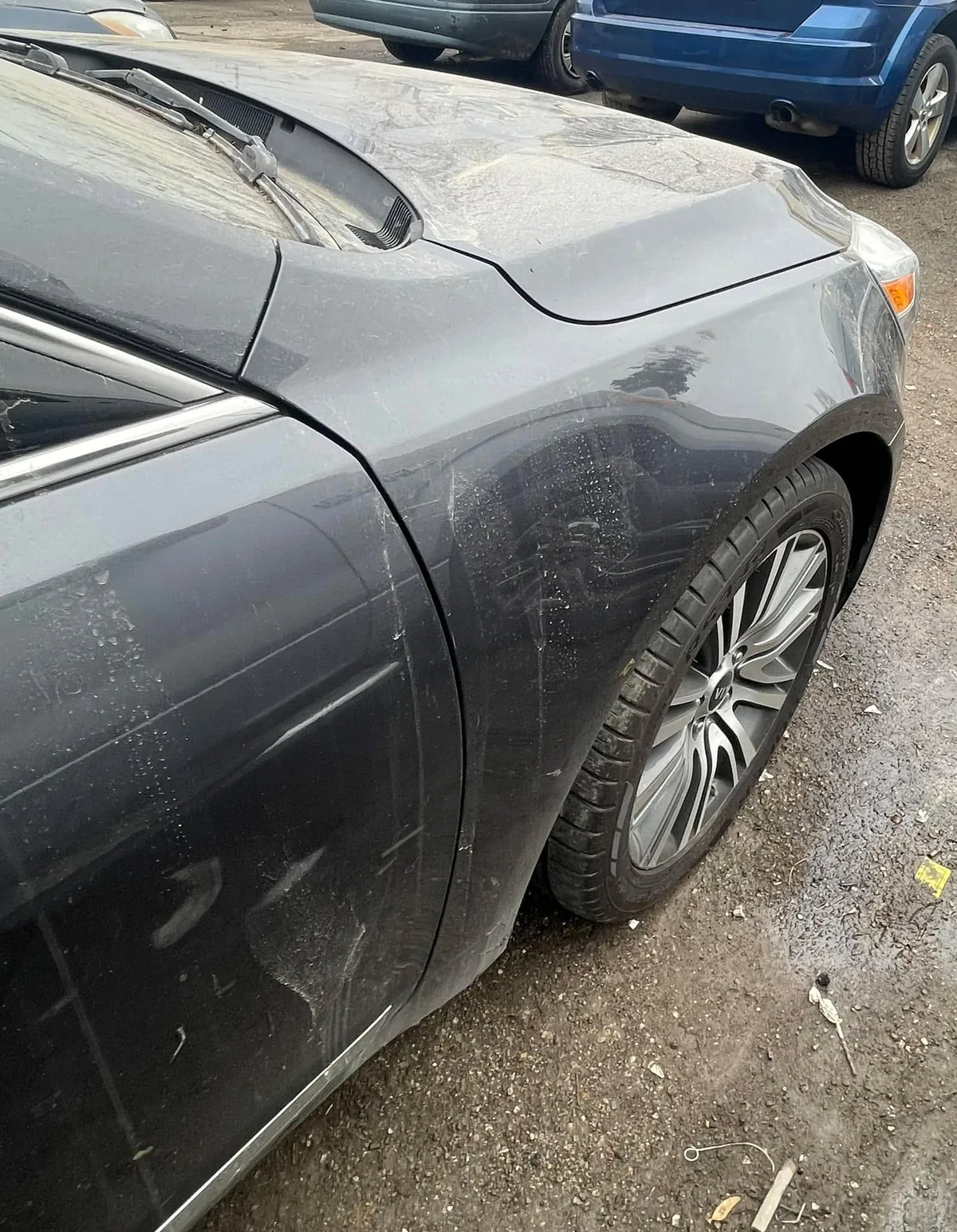
TNCAP’s Role in the Used Parts Market
We have referenced TNCAP throughout; here is the straightforward version of where we sit.
We are a full-service salvage yard in Indianapolis, located at 3013 Stanley Avenue on the south side, serving Central Indiana since 2015. We process several hundred vehicles per year through our buying arm Cash Car Heroes, which means a constant flow of fresh inventory. Every part sold from the yard comes with a 30-day warranty: same-part replacement if we still stock it, or store credit equal to what you paid if we do not.
We carry parts for the full range of common vehicles in the Indianapolis market — domestic trucks (F-150, Silverado, Ram), domestic sedans (Malibu, Fusion, Impala), Japanese imports (Camry, Civic, Accord, Corolla), SUVs and minivans, and a steady stream of European cars when they come through. Inventory turns over weekly. If we do not have a part today, calling back in 7-14 days often surfaces what you need.
We are open Monday-Friday 8 AM to 5 PM and Saturday 9 AM to 2 PM. The parts request form is the fastest way to check availability for a specific part; we usually respond within a few hours during business days. If you want to walk the yard yourself, the visit page has the details.
Need a used part now? The TNCAP team checks inventory while you are on the phone. Free quotes, 30-day warranty on every part, all makes and models. Request a part →
Frequently Asked Questions
Are junkyard parts reliable?
Yes, when they come from a reputable yard with a warranty. The same engine, transmission, or body panel that came off a vehicle in good condition will perform like a new one — the part does not know whether it is in its original vehicle or a replacement. The risk in used parts is concentrated in wear items (belts, hoses, brakes), not in mechanical assemblies or body parts. Buying from a full-service yard with a 30-day warranty backstops the rare bad part.
How much can I save buying used auto parts?
Typical savings versus new OEM run 40-70%, and 30-50% versus remanufactured. The exact number depends on the part. A used alternator might cost $40-$100 versus $400-$600 new. A used door $100-$400 versus $800-$2,000 new with paint. A used engine $500-$2,500 versus $4,000-$8,000 new or remanufactured. Across a typical mid-life car repair, used parts can cut total cost by 50-65%.
Where can I buy used auto parts in Indianapolis?
The major Indianapolis sources are full-service yards like The New Country Auto Parts at 3013 Stanley Avenue, Zore’s, and Brothers Auto Parts; self-service yards like Pull-A-Part on Producers Lane and Indy U-Pull-It on West 16th Street; and online networks like Car-Part.com that aggregate inventory across thousands of yards nationwide. TNCAP carries all makes and models with a 30-day warranty on every part sold.
What warranty comes with used auto parts?
Industry standard is 30 days on most parts from full-service yards. Self-service yards often offer 30-45 days with exchange-only terms. LKQ runs a 6-month warranty on most parts (the longest national policy). TNCAP offers a 30-day warranty with same-part replacement if we still have one in stock, or store credit equal to what you paid if we do not.
Are used auto parts as good as new?
For non-wear parts (engines, transmissions, body panels, alternators, starters, headlights, glass, interior parts), a quality used part performs identically to new — and often beats aftermarket new on durability because it is OEM. For wear parts (brakes, belts, hoses, tires), used is never a good buy because the parts are designed to wear out and the donor’s wear is already on the clock.
Can I return a used auto part if it does not fit?
Most yards accept returns within their warranty window if the part is unused and in the same condition you received it. Returns for “does not fit” usually require demonstrating the part is wrong (different part number, does not bolt up). Returns for “I changed my mind” are at the yard’s discretion. Always confirm fitment before opening or installing the part. At TNCAP, defective parts can be exchanged within 30 days with the receipt; non-defective returns are subject to a 30% restocking fee, and we issue store credit or exchanges rather than cash refunds.
How do I know if a used part fits my car?
Three steps: (1) confirm year, make, model, trim, engine, and transmission of your vehicle; (2) get the OEM part number from a dealer or repair manual; (3) ask the yard to verify the part on the donor vehicle matches. Online tools like Car-Part.com show interchange information for many common parts. A full-service yard’s staff can typically confirm interchange in a few minutes.
What is the difference between used, remanufactured, and rebuilt parts?
Used parts are pulled directly from a donor vehicle and sold after cleaning and testing. Rebuilt parts have failed components replaced (for example, new brushes in an alternator) but use the original housing and most of the original internals. Remanufactured parts are torn down to the core, fully inspected, all wear items replaced with new, and rebuilt to OEM spec — the most thorough refurbishment short of new. Pricing runs used < rebuilt < remanufactured < new OEM.