Buying used auto parts can save you 50-80% over new — but only on the right parts. Some parts are a smart salvage buy every time; others will cost you more in the long run than you saved at the counter. The difference isn’t random, and you don’t have to memorize a list. There’s one rule that tells you which is which, and once you know it, you’ll never guess again.
Last updated: June 2026
We run a full-service salvage yard, so we sell used parts every day — and we’ll happily tell you which ones not to buy from us. Here’s the rule, the definitive “never” list, and the ten parts that are smart to buy used.
The One Rule That Decides It
Anything that wears out, ages out, or is a one-time-use safety device is a bad used buy. Anything that’s mostly metal or plastic and either works or it doesn’t is generally a great used buy.
That’s it. A used alternator either spins or it doesn’t — the failure mode is binary, so a tested one with a warranty is a safe bet. Used brake pads are halfway through their life the day you install them; the “savings” evaporate at your next brake job. Keep that rule in mind and the two lists below will make complete sense.
Car Parts You Should Never Buy Used
These are the wear items, the consumables, and the safety devices. Skip them at the salvage counter and buy new.
- Brake pads, rotors, and calipers. Wear items, always. A used set is partially worn on day one, and brakes are the last place to gamble. Buy new.
- Tires. Even with tread left, rubber ages and sidewalls crack. Age and hidden damage make used tires a real safety risk. New (or certified) only.
- Belts and hoses. Rubber degrades with heat and time whether the part was “used much” or not. A cracked serpentine belt or a soft radiator hose fails when you least want it. Cheap new — just replace them.
- Filters (oil, air, fuel, cabin). Consumables with a job to do from mile one. There’s no such thing as a good used filter, and they cost little new.
- Spark plugs and ignition coils. Consumables that wear and foul. New plugs are inexpensive and a known quantity; used ones are a false economy.
- Clutch kits. A wear part by definition. A used clutch with unknown life left defeats the entire point of the repair. Buy new.
- Suspension bushings. Rubber again — they dry, crack, and deform with age. A used control arm’s bushings may be shot even if the arm is fine (more on that below).
- Timing belts and timing chains. One of the highest-stakes wear items in any engine — a failure can destroy the motor. This is never the place to save a few dollars. New only.
- Gaskets and seals. They deform to seal once. A used gasket has already taken its set and will likely leak. Always new.
The Two Safety Parts to Be Careful With
- Airbags. In many states reselling used airbags is restricted or illegal, and a used unit’s history is hard to verify. Always check your state’s rules and a reputable installer before considering one — and confirm the vehicle isn’t under an airbag recall.
- Seatbelts. Seatbelt assemblies can be single-use after a crash (the pretensioners fire once). A used belt from an unknown vehicle is a safety unknown. Treat these like airbags.
10 Car Parts That Are Safe (and Smart) to Buy Used
Now the good news — the parts where salvage saves you the most with the least risk. These are the “works or it doesn’t” metal-and-plastic parts.
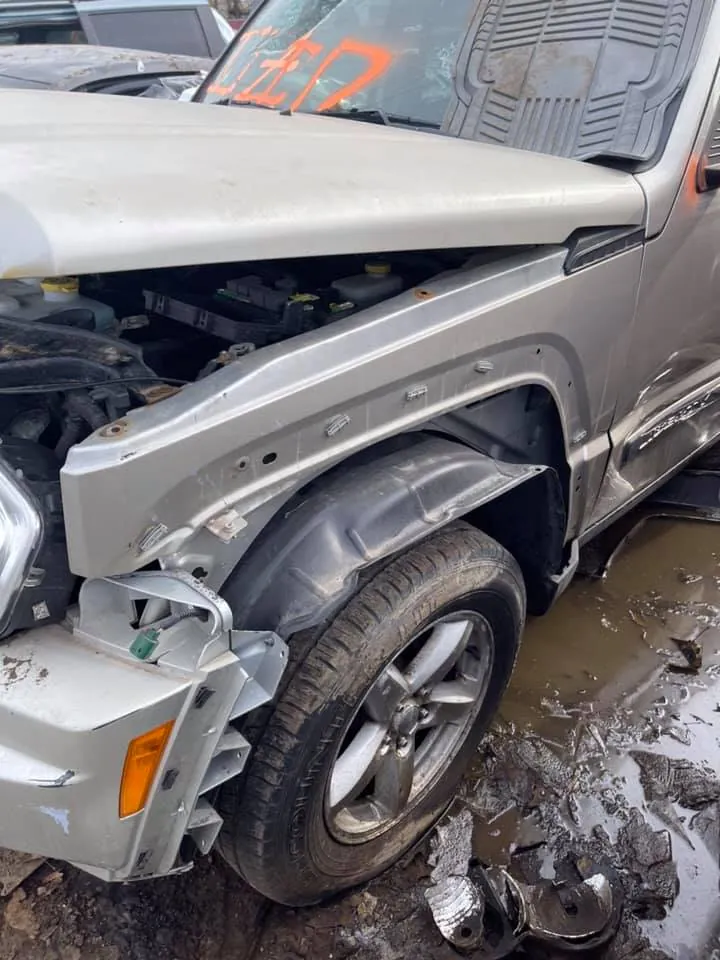
- Body panels (doors, fenders, hoods, bumpers). Pure sheet metal and plastic — what you see is what you get. Used runs roughly $50-$400 versus hundreds more new and painted. Match the color and you’re done.
- Mirrors. Side and rearview mirrors are simple assemblies that either work or don’t. Used $20-$100 versus a pricey dealer part.
- Door handles, latches, and glass. Mechanical and glass parts with no meaningful wear life. Easy, low-risk savings.
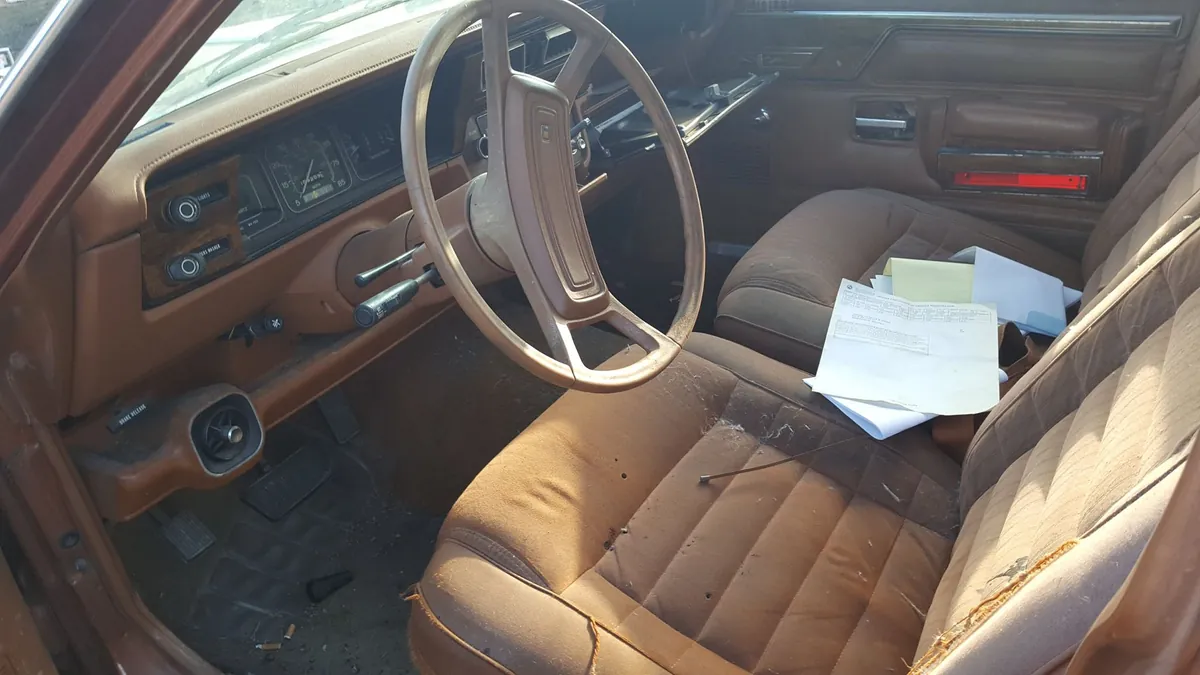
- Interior trim and seats. Panels, consoles, and seats are cosmetic — inspect for tears and you’re set. Seats run $30-$300 used versus far more new.
- Wheels and rims. A clean used alloy is as good as new for a fraction of the price ($15-$200 each). Just check for bends and curb damage.
- Headlight and taillight assemblies. Expensive new (especially LED/HID), and used ones either light up or they don’t. $30-$250 used versus a steep new price.
- Alternators and starters. The textbook used buy — binary failure mode, and a tested unit with a warranty runs $25-$100 versus $300-$750 new before labor.
- Engines and transmissions (properly tested). The big-ticket savings. A tested used engine ($300-$2,500) or transmission ($150-$1,500) is a fraction of new or rebuilt — just insist on a compression/leak test and a warranty.
- Radiators and AC condensers. Metal parts that either hold pressure or don’t; a pressure-tested used unit is a solid buy at $40-$200.
- Infotainment, electronics, and modules. Head units, body control modules, and gauge clusters can be big savings used — just confirm they can be paired or coded to your VIN before you buy.
For the full price picture on these, see our used auto parts price guide, and for which parts hold the most value, the most valuable parts on a junk car.
The “It Depends” Category
A couple of parts don’t fit neatly on either list:
- Tires (the debate). Some buyers accept lightly-used tires with plenty of tread and a recent date code. It can work, but the risk is real — age and hidden sidewall damage aren’t always visible. If you go used, check the date code and inspect closely; when in doubt, buy new.
- Catalytic converters. A used converter can be a legitimate buy only with proper documentation and where legal — they’re federally regulated, and a mismatched or non-compliant unit can fail emissions. Confirm compatibility and legality first.
How to Inspect a Used Part Before You Buy
Even on the safe list, a two-minute check protects you. What to look for by type:
- Alternators, starters, electric motors: ask whether it’s been bench-tested, and confirm the warranty. A tested unit takes the guesswork out.
- Engines and transmissions: ask for a compression or leak-down test, the donor vehicle’s mileage, and look for cracks, weeping seals, or metal in the fluid. Always get the warranty in writing. For the full engine walkthrough — fitment, oil checks, core charges — see our used engine buying guide.
- Body panels: check for rust, prior bodywork (filler), and color match — bring your paint code. A straight, rust-free panel in your color is the whole win.
- Wheels and rims: spin it to check for bends, and inspect the bead for corrosion and the face for curb rash.
- Radiators and AC condensers: look for bent fins and leaks, and ask for a pressure test.
- Headlights and taillights: confirm it powers on, and check the lens for cracks or internal moisture.
- Electronics and modules: confirm it can be paired or coded to your VIN before you pay — some modules are locked to their original car.
Two universal moves: bring your VIN or the exact part number to confirm fitment, and confirm the warranty terms before money changes hands. A reputable full-service yard does most of this with you at the counter.
Why a Warranty Changes the Math
Here’s why buying used from a full-service yard is safer than a private sale: the warranty only means something on the right parts. A 30-day warranty on a used alternator is meaningful — if it’s going to fail, a binary part usually fails fast, and you’re covered. A “warranty” on used brake pads would be meaningless, because they’re half-worn on day one and degrade slowly. That’s the same one rule again: warranties protect binary-failure parts, not wear parts. It’s exactly why the safe-buy list is safe and the never-buy list isn’t.
Shop Smart at The New Country Auto Parts
We’re a full-service yard at 3013 Stanley Avenue in Indianapolis with part-pullers on staff, hundreds of vehicles, and a 30-day warranty on every part. Buying used the smart way — the metal-and-plastic parts, tested and warrantied — is how you save 50-80% without the gamble. Call the counter at (317) 787-7555, browse our parts, or plan a visit; we’re open Monday-Friday 8 AM-5 PM and Saturday 9 AM-2 PM. For the full how-to, see our complete guide to buying used auto parts.
The Bottom Line
You don’t need to memorize two lists — just remember the rule: wears out, ages out, or one-time safety = buy new; metal-or-plastic that works or doesn’t = buy used. Save your money for the safe bets (body panels, wheels, lights, tested alternators, engines, and transmissions), skip the wear items and consumables, and always buy from a yard that tests parts and stands behind them with a warranty. Done right, used parts save you 50-80% with almost none of the risk. For the dollar-by-dollar case — including a ten-part price table across used, remanufactured, and new — see our used vs. new auto parts comparison.
Frequently Asked Questions
What car parts should you never buy used?
Never buy wear items, consumables, or single-use safety parts used: brake pads, rotors, and calipers; tires; belts and hoses; filters; spark plugs and ignition coils; clutch kits; suspension bushings; timing belts and chains; and gaskets and seals. Airbags and seatbelts are special cases — often restricted by law and single-use after a crash — so check your state’s rules first.
What car parts are safe to buy used?
Metal-and-plastic parts with a binary failure mode are the safe bets: body panels, mirrors, door handles and glass, interior trim and seats, wheels and rims, headlight and taillight assemblies, alternators and starters, tested engines and transmissions, radiators and AC condensers, and VIN-matched electronics. These either work or they don’t, so a tested part with a warranty is low-risk.
How much do you save buying used auto parts?
Typically 50-80% versus new. A used alternator runs $25-$100 against $300-$750 new; a used engine $300-$2,500 versus thousands new or rebuilt. The savings are real on the safe-buy list; on wear items like brakes or a clutch, a used part often costs more over its short remaining life than you saved.
Is it safe to buy a used engine or transmission?
Yes, when it’s properly tested and warrantied. Engines and transmissions are big-ticket savings and a common salvage buy — just insist on a compression or leak test, ask about mileage, and get the 30-day warranty. A tested drivetrain from a full-service yard is a fraction of new or rebuilt cost.
Should I buy used tires or brake pads?
Generally no. Brake pads are a wear item that’s partially used on day one, and used tires carry age and hidden-damage risk regardless of tread. Both are affordable new and are the wrong place to cut corners on safety. If you consider used tires, always check the date code and inspect the sidewalls closely.