Yes, you can sell a car without a title in Indiana — through two legal routes. Order a $15 duplicate title from the Indiana BMV using State Form 205, or apply for a $4 Certificate of Authority (State Form 55018), which authorizes a salvage yard to take the vehicle for parts or scrap. Every other sale requires a properly assigned certificate of title.
Last updated: July 2026
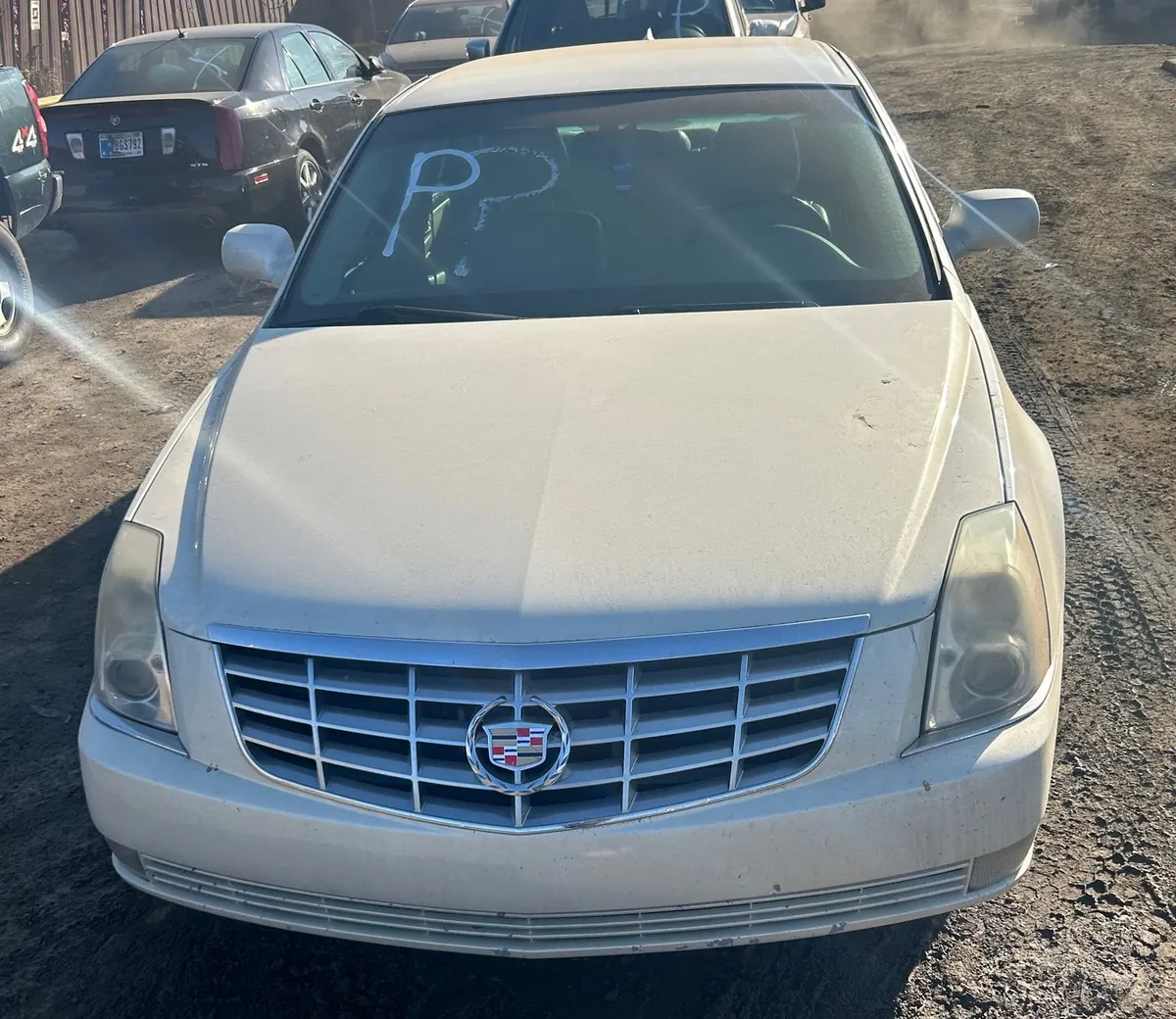
Title questions stall more sales at our counter than anything else. At The New Country Auto Parts, a full-service salvage yard on Stanley Avenue on the south side of Indianapolis, we hear some version of “I lost the title — can I still sell it?” every week. The answer is almost always yes. But the correct route depends on the car’s age, whether a lien was ever recorded, and how the paperwork went missing.
This is the reference version of that counter conversation: every Indiana title type, the transfer rules, the Certificate of Authority process, liens, abandoned vehicles, and mechanic’s liens — each one checked against the current Indiana Code, Title 9 and the BMV’s 2026 fee chart in July 2026. One caveat up front: we are a salvage yard, not a law firm. This is general information, not legal advice. If your situation involves an estate, a divorce, or a lender that no longer exists, spend the money on an attorney.
The 4 Types of Title Paperwork in Indiana
Indiana uses one title document with several possible brands stamped on it, plus one non-title instrument that matters enormously to junk car sellers. Here is the whole set:
| Document | What it means | Legal basis |
|---|---|---|
| Clean title | Standard certificate of title. No damage brand. Required for every vehicle titled in Indiana; issued by the BMV for $15. | IC 9-17-2-1; fee at IC 9-17-2-14.5 |
| Salvage title | The vehicle was totaled, heavily damaged, or flood damaged. It cannot be registered for the road in this state until restored and inspected. Marked “SALVAGE TITLE” on its face — plus “FLOOD DAMAGED” where that applies. | IC 9-22-3-3, IC 9-22-3-5 |
| Rebuilt title | A former salvage vehicle restored for highway use, passed through an Indiana State Police inspection, with the restorer’s affidavit (State Form 44606) on file. Permanently marked “REBUILT VEHICLE.” | IC 9-22-3-15 |
| Certificate of Authority | Not a title at all. A BMV authorization to dispose of a vehicle to a salvage recycler when the title is lost, faulty, or destroyed, or the vehicle is abandoned. Costs $4. Ends the vehicle’s title history forever. | IC 9-22-5-2, IC 9-22-5-10 |
Look at the face of your title. If there’s no brand, you have a clean title and the sale is simple. If it says salvage or rebuilt, the car is still sellable to a yard — the brand mostly affects what a private buyer would pay, not what we can legally do at the counter.
What Is an Indiana Salvage Title and When Is It Required?
Under IC 9-22-3-3, a salvage title is required for a vehicle manufactured within the last seven model years that meets any one of three conditions:
- An insurance company decided the car was economically impractical to repair and paid out an agreed total-loss settlement.
- The owner self-insures, or acquired the car after it was already wrecked, and the repair cost exceeds 70% of the vehicle’s fair market value before the damage.
- The vehicle is flood damaged.
Note the fine print that almost every article gets wrong: the famous “70% rule” only applies to the second branch. If your insurer totals the car, there is no percentage math — the settlement itself triggers the salvage title. And the whole requirement only covers vehicles within the last seven model years. For anything older, no salvage title is required — though under IC 9-22-3-3(b) the BMV may still issue one if the owner asks for it. Knowingly failing to apply for a required salvage title is a Class A infraction (IC 9-22-3-3(c)).
Why does Indiana police this so hard? Flood cars, mostly. CARFAX estimated that as many as 347,000 vehicles were flood damaged in the 2024 hurricane season (CARFAX, 2024), and a portion of those always get cleaned up and quietly moved to inland states like ours. David Glawe, then president and CEO of the National Insurance Crime Bureau, put it plainly: “Cars damaged in floods or in accidents and then carefully restored could be hiding some very unsafe parts, placing drivers, passengers, and others on the road at risk” (NICB, 2021). Title brands are the paper trail that keeps those cars honest.
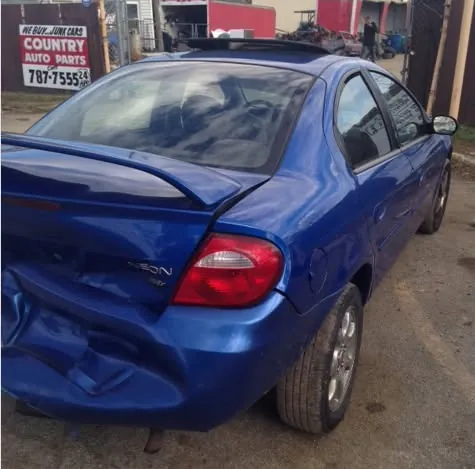
Can You Sell a Car Without a Title in Indiana?
Not on a handshake. Indiana law (IC 9-17-3-3.4) requires a seller to assign the certificate of title, disclose any liens, deliver it to the buyer at the time of sale, and fill in every buyer blank including the sale price. In a private-party sale, skipping the buyer information — the classic “open title” — is a Class B infraction all by itself (IC 9-17-3-3.2).
So when the title is genuinely gone, you have two legal routes:
- Get a duplicate title ($15). The right answer for most sellers, covered step by step below.
- Get a Certificate of Authority ($4). The scrap-only route when the car is headed to a salvage yard and nowhere else.
And the “15-year rule” you’ve seen in junk car ads? Half true, and the half that’s wrong can hurt you. IC 9-32-9-29 does let a salvage recycler buy a vehicle that is at least 15 model years old without a certificate of title — but only for dismantling or scrap, only with detailed records (your ID, photos, a signed certification that the car is yours and lien-free), and the statute still requires the seller to present a Certificate of Authority under IC 9-22-5-18. A recycler that knowingly buys a vehicle under 15 model years old with no title and no Certificate of Authority commits a Level 6 felony (IC 9-32-9-29(d)). A seller who knowingly hands over a car with neither document commits a Class C misdemeanor (IC 9-22-5-18).
Our honest take: if a buyer tells you “no title, no paperwork, no problem” on a 2014 sedan, hang up. They are volunteering for a felony and handing you a misdemeanor on the way out.
This matters more every year, because the fleet keeps aging — the average U.S. vehicle hit 12.8 years old in S&P Global Mobility’s 2025 study, the eighth straight annual increase, so a large share of the cars people junk in Indianapolis are past that 15-year line. The paperwork is still required; it’s just the $4 kind instead of the $15 kind. For the seller’s-eye version of this process, our buying arm Cash Car Heroes buys cars without a title — here’s how. They work missing-title situations case-by-case every week.
Title problem and a car you want gone? The New Country Auto Parts and its buying arm handle missing-title sales case-by-case across Central Indiana — free towing, cash or check on the spot. Start with a quick quote →
How Do You Get a Duplicate Title in Indiana?
A duplicate Indiana title costs $15 and is applied for with State Form 205, the Application for Certificate of Title for a Vehicle. Three ways to do it:
- Online at myBMV.com — log in, open the Titles tab, and request the duplicate. Easiest by far.
- In person at any BMV branch or BMV Connect kiosk.
- By mail — send the completed Form 205 to Indiana BMV, 100 N. Senate Ave., Room N411, Indianapolis, IN 46204.
Need it fast? Add $25 for a speed title and the BMV expedites processing. Two quirks worth knowing: issuing a duplicate voids the old title (so if the original turns up in a glovebox later, shred it), and a duplicate transaction cannot change ownership or lien information — it reproduces the record exactly as it stands.
How Does an Indiana BMV Title Transfer Work at a Salvage Yard?
When you sell to a yard, the whole legal transfer happens on the back of the title, usually in the driveway at pickup. Here’s the seller’s side, in order:
- Record the odometer reading as of the date of sale in the assignment section. The buyer’s title application has to carry that number (IC 9-17-2-6).
- Sign and assign the title to the buyer, with a statement of any liens.
- Complete every buyer blank — name, address, and sale price. The Class B infraction for an “open title” is written for sales to someone other than a licensed dealer (IC 9-17-3-3.2), and a licensed salvage recycler counts as a dealer under IC 9-32 — but fill the blanks in regardless. A blank assignment leaves you legally connected to a car you no longer control.
- Take your plates off. In Indiana the plate belongs to you, not the vehicle, and the BMV’s buying and selling guidance says to remove it at the time of the transaction.
- Hand over the title and get paid. The buyer then has 45 days to apply for a new title or eats a $30 late penalty (IC 9-17-2-14.7) — that part is their problem, not yours.
No notary is needed. Indiana’s transfer statutes never require notarization of a title assignment, which surprises sellers moving here from states that do.
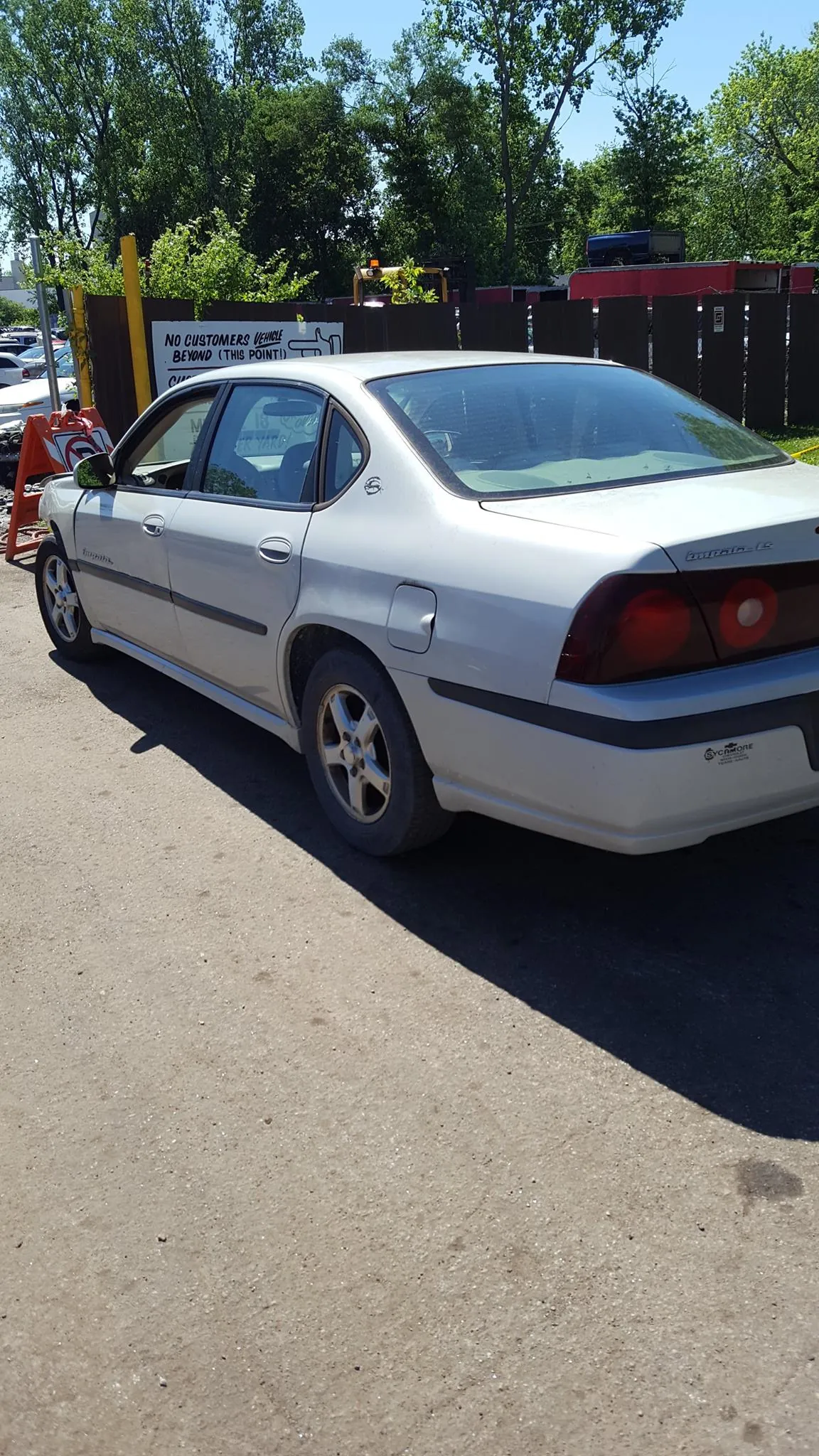
What Is a Certificate of Authority (State Form 55018)?
The Certificate of Authority is Indiana’s purpose-built answer to “the title is gone and the car is junk.” Under IC 9-22-5-2, anyone who owns a vehicle with a lost, faulty, or destroyed title — or who possesses an abandoned vehicle — can apply to the BMV for authority to sell or dispose of it to an automotive salvage recycler.
The mechanics, straight from the BMV’s Certificate of Authority packet:
- Complete State Form 55018, Certificate of Authority — Disposal of a Motor Vehicle (download it here).
- Attach proof of ownership — an old registration or insurance record works.
- Attach a lien release if a lien was ever recorded, and proof of a certified letter to the owner and lienholder if the vehicle was abandoned on your property.
- Pay the $4 fee. Electronic applications must be processed within 5 business days (IC 9-22-5-3).
- Mail everything to BMV Central Office Title Processing in Indianapolis — branches do not handle these.
Two things we tell every Certificate of Authority seller at the counter. First, many recyclers — including us — can file the application on your behalf; the BMV’s Certificate of Authority packet allows a salvage recycler to apply for the owner, and Form 55018 has a section built for exactly that. Ask before you fight the paperwork alone. Second, this is a one-way door: once the recycler delivers the Certificate of Authority to the BMV, the vehicle is recorded as junk and no title can ever be issued for it again (IC 9-22-5-10). Never use this route on a car anyone might want to restore.
What If There Is a Lien on the Title?
The BMV requires every lienholder to release its interest before a vehicle is sold, so an open lien has to be cleared first — and in practice no yard will touch the car until it is. Once the loan is paid off, Indiana gives the lienholder 10 business days to release a paper title, or 10 days for an electronic one (IC 9-17-5-1) — either by signing off on the title itself or by issuing a release on company letterhead showing the owner’s name, the date, the vehicle’s year, make, and VIN, the signer’s position with the company, and an authorized signature. The BMV’s lien page accepts copies, faxes, and emailed versions.
If the lienholder was an individual, they can sign the title’s release section or a General Affidavit (State Form 37964). If the lender no longer exists — it happens more than you’d think with buy-here-pay-here lots — you’ll need a court order directing the BMV to release the lien. And on a Certificate of Authority sale, you sign a certification that the car is lien-free; signing that falsely is on you, not the yard.
Can You Sell a Car With an Out-of-State Title in Indiana?
Yes. Indiana law explicitly covers it: a seller with an out-of-state title delivers it with a proper assignment, same as an Indiana title (IC 9-17-3-3.4(b)). If the vehicle needs to be converted to an Indiana salvage title, a Physical Inspection of a Vehicle or Watercraft (State Form 39530) has to ride along with the application.
Honest admission: out-of-state paperwork is the one area where day-to-day practice varies more than the statute does. Some yards take any state’s title without blinking; some want extra verification on certain states. Call ahead and ask — it saves a wasted trip.
Abandoned Vehicles and Mechanic’s Liens in Indiana
These two processes exist for the cars nobody signed over properly — and they’re the legal machinery behind a surprising share of salvage yard inventory.
How do you get rid of an abandoned car on your property?
Indiana counts a vehicle as abandoned if it sits on your private property without consent for more than 48 hours — or, for a vehicle at least three model years old and inoperable, visible from public property for more than 20 days (IC 9-13-2-1). You have two routes: call an officer to tag and remove it (IC 9-22-1-18), or tag it yourself with a 24-hour notice and arrange the tow (IC 9-22-1-15). After removal, the tower searches the National Motor Vehicle Title Information System (or an equivalent database) within 3 business days, then notifies the owner and any lienholder — by certified mail, a certificate of mailing, or a BMV-approved electronic service (IC 9-22-1-19). If nobody claims the vehicle within 20 days of that notice — 15 days in a consolidated city, which in Indiana means Indianapolis and Marion County — it can be sold at public sale (IC 9-22-1-23). If the car is only worth scrap, the Certificate of Authority route above works too, with proof of that certified letter attached.
How does a mechanic’s lien work on a vehicle?
Under IC 9-22-6, a shop, tower, or storage business with unpaid charges holds a mechanic’s lien on the vehicle. If the charges go unpaid and the vehicle goes unclaimed for 30 days after it came into the shop’s possession — note the clock starts at drop-off, not when the work was finished (IC 9-22-6-2) — the shop may advertise a public sale. That means a newspaper ad listing the make, year, VIN, unpaid charges, and the time, date, and place of sale, plus certified-mail notice to the owner and every lienholder of record. The sale can happen no earlier than 15 days after the ad runs and the notice goes out. The buyer gets a Mechanic’s Lien Bill of Sale (State Form 23104) — which the BMV rejects unless the auction company’s name, signature, and license number are filled in — and applies for a fresh title. For a towed vehicle, value decides the route: if it’s worth more than $3,500, the towing service has to run the full mechanic’s lien sale under IC 9-22-6 instead of the shorter abandoned-vehicle process (IC 9-22-1-21.5). That’s why the BMV publishes separate over- and under-$3,500 packets.
Indiana Title Fees and Timelines (2026)
Every number in one place, per the BMV fee chart (revised January 1, 2026) and Indiana Code:
| Item | Cost / deadline | Notes |
|---|---|---|
| New, duplicate, or replacement title | $15 | State Form 205; online, any branch, or mail |
| Speed title (expedited) | +$25 | Optional add-on |
| Certificate of Authority | $4 | State Form 55018; Central Office only |
| Salvage title | $4 | Required within the last 7 model years when totaled or flood damaged |
| Buyer’s window to title after purchase | 45 days | $30 penalty after that (IC 9-17-2-14.7) |
| Late salvage title penalty | $10 | Per the 2026 fee chart |
| Electronic Certificate of Authority processing | 5 business days | IC 9-22-5-3 |
| Lienholder deadline to release a paid-off lien | 10 business days | IC 9-17-5-1 |
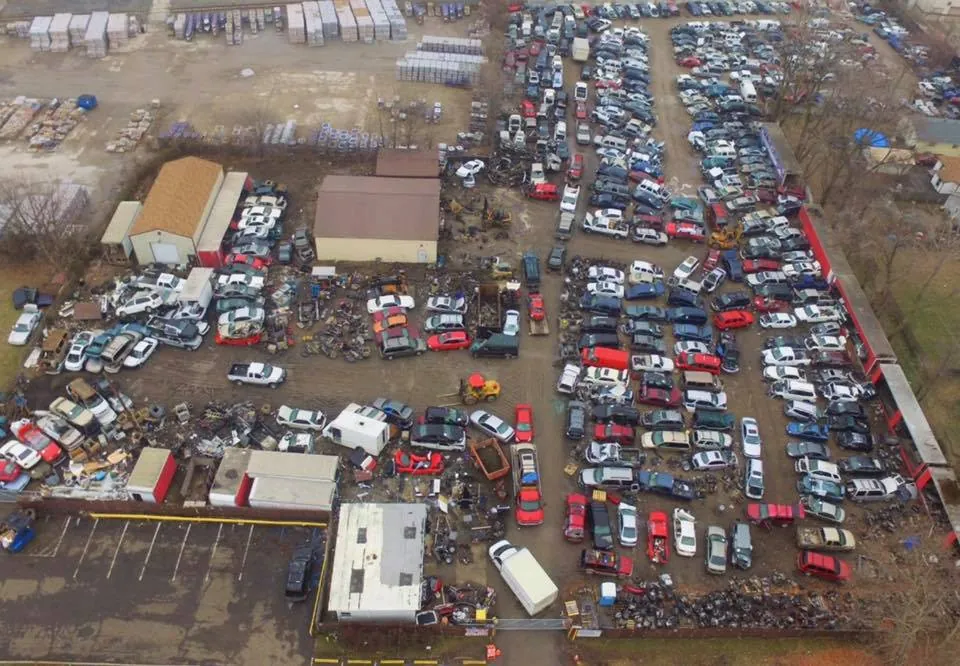
What to Bring When You Sell a Car to an Indianapolis Salvage Yard
After all the statute numbers, the counter checklist is short:
- The title — original, duplicate, or a Certificate of Authority. Signed by the person named on it.
- A photo ID that matches the name on the title.
- A lien release, if the car was ever financed.
- Your plates come off before the truck leaves.
That’s it. Every vehicle we buy at The New Country Auto Parts — whether it rolls in on its own or comes through our buying arm Cash Car Heroes with a quote in 10-15 minutes and free towing across Central Indiana, from Indianapolis and Greenwood down to Franklin — goes through exactly this paperwork before it’s drained, logged, and set in the yard. It’s part of why the recycling side of this industry works at all: professional auto recyclers process more than 4 million vehicles a year in the U.S. and Canada, and roughly 86% of a vehicle’s material content is recycled, reused, or used for energy recovery (Automotive Recyclers Association). None of that happens without a clean chain of ownership.
If you want the fuller picture of what a sale looks like from our side of the counter, read how selling to a salvage yard works, or compare your three options for selling a junk car before you decide. And once the paperwork is squared away, it pays to know who actually gives the most cash for junk cars — and why before you take the first offer.
Still not sure which route your title situation needs? Call The New Country Auto Parts at (317) 787-7555 and describe what paperwork you have — we sort title questions every week and will tell you straight what the BMV needs. Get in touch →
Frequently Asked Questions
Can you sell a car without a title in Indiana?
Yes, through two legal routes. Most sellers order a $15 duplicate title from the Indiana BMV using State Form 205 — online at myBMV, at any branch, or by mail. If the car is only going to a salvage yard for parts or scrap, a $4 Certificate of Authority (State Form 55018) authorizes the sale without a title.
How much does a duplicate title cost in Indiana?
$15, using State Form 205. You can apply online through a myBMV account, in person at any BMV branch or Connect kiosk, or by mail to the BMV’s central office in Indianapolis. Add $25 for a speed title if you need expedited processing. The duplicate voids the original, and it cannot change ownership or lien information.
Can a junkyard buy a 15-year-old car without a title in Indiana?
Only partly true as commonly stated. Indiana Code 9-32-9-29 lets a salvage recycler buy a vehicle at least 15 model years old without a certificate of title, but strictly for dismantling or scrap — and the seller must still present a $4 Certificate of Authority. Knowingly buying a newer vehicle with neither document is a Level 6 felony for the recycler.
What is the difference between a salvage title and a rebuilt title in Indiana?
A salvage title means the vehicle was totaled, damaged beyond 70% of its value in specific cases, or flood damaged, and it cannot be registered for road use. A rebuilt title means that same vehicle was restored, passed an Indiana State Police inspection with documented parts sources, and is road-legal again — permanently branded “REBUILT VEHICLE.”
Do you need a notary to transfer a car title in Indiana?
No. Indiana’s title transfer statutes do not require notarization of a title assignment. The seller signs the title, records the odometer reading, and completes all buyer information including the sale price. In a private-party sale, leaving buyer fields blank — an “open title” — is a Class B infraction, so fill in every line before handing it over.
Can I sell a junk car that still has a lien on it?
Not until the lien is released. Once the loan is paid, the lienholder has 10 business days under IC 9-17-5-1 to release it, either on the title or by a letterhead release listing the owner, date, and VIN. If the lender no longer exists, a court order directing the BMV to release the lien is required.
How long does someone have to claim an abandoned vehicle in Indiana?
After an abandoned vehicle is removed and written notice is sent to the owner and lienholders, they have 20 days to claim it — 15 days in a consolidated city, meaning Indianapolis and Marion County — before it can be sold at public sale under IC 9-22-1-23. A vehicle left on private property without consent counts as abandoned after just 48 hours.
Bring the Paperwork Question to the Counter
Titles are the one part of selling a junk car where guessing costs real money. If you know which document you have, you already know your route: a clean title is a five-minute signature, a lost title is a $15 duplicate, and a car headed for parts with no paperwork at all is a $4 Certificate of Authority. If you don’t know, ask someone who files these every week.
On the south side of Indianapolis? The New Country Auto Parts is at 3013 Stanley Avenue, open Monday–Friday 8 AM–5 PM and Saturday 9 AM–2 PM. Bring your title questions with you. Plan your visit →