Full-service salvage yards usually give the most cash for junk cars. Their business model earns from retail parts sales, towing, and scrap metal — not weight alone — so they can bid past the $225-$350 scrap value of an average car (Junk Car Medics, 2026). Scrap-only buyers pay the metal floor, and online middlemen subtract a cut.
Last updated: July 2026
Every junk car in Indianapolis has at least four kinds of buyers circling it: a scrap processor, a u-pull lot, a full-service salvage yard, and a stack of online quote sites. Same car, four different offers — sometimes hundreds of dollars apart. That spread isn’t luck, and it isn’t one buyer being generous. It’s four different business models putting four different values on the exact same pile of steel and parts.
We run The New Country Auto Parts, a full-service yard on Stanley Avenue on the south side of Indianapolis, and we buy junk cars every week. So yes, we have a horse in this race. But this post isn’t a pitch to call us first. It’s the math each buyer type runs behind the counter — and once you can see the math, you can judge any offer yourself, including ours.
If you want dollar ranges by vehicle type, we already published those in how much do junkyards pay for cars. This post answers the harder question: why those numbers spread so far apart, and who ends up at the top.
Who Gives the Most Cash for Junk Cars? The Short Answer
A full-service salvage yard usually gives the most cash for junk cars, because it can sell your car twice: first as individual parts over a retail counter, then as scrap metal once the good parts are pulled. Every other buyer type captures less of your car’s total value, and their offers show it.
Here’s the whole market in one table:
| Buyer Type | How They Make Money | What Your Car Is Worth to Them | Pays the Most When |
|---|---|---|---|
| Scrap-only yard | Crushing hulls and selling metal by the ton | Weight × scrap rate, nothing more | The car is stripped, rusted out, or picked over |
| Self-service (u-pull) yard | Entry fees plus flat-price parts customers pull themselves | Scrap floor + expected DIY pulls before crushing | The model is popular and the yard needs inventory |
| Full-service salvage yard | Retail parts counter, scrap metal, towing | Scrap floor + retail value of every sellable part | The car has a good engine, transmission, or clean panels |
| Online buyer / aggregator | The spread between your price and a local yard's price | A local yard's offer minus the middleman's cut | Rarely the top offer — wins on convenience instead |
One honest caveat before we go deeper: “usually” is doing real work in that answer. If your car is a rusted shell with no engine and no catalytic converter, every buyer in town — including us — will price it by weight, and the scrap-only yard might even edge out the rest. The ranking above only holds when there’s parts value left to fight over.
Why Do Junk Car Offers Vary So Much?
Every junk car offer, from every buyer, is the same equation: what they expect to make off your car, minus their costs, minus their profit margin. The offers vary because the first number — expected revenue — changes wildly depending on what the buyer is set up to sell.
Think about what a car actually is to these businesses. The average model-year 2024 vehicle weighed 4,354 pounds (EPA Automotive Trends Report, 2026); an older sedan runs closer to 3,000. To a scrap processor, that’s a ton and a half of steel and nothing else. To a parts yard, the same car might hold a tested engine, a straight tailgate, four alloy wheels, and two headlight assemblies — items worth several times the metal underneath them.
The scale of this industry surprises people. Nearly 12 million vehicles are recycled in the United States every year (SHiFT, 2026), feeding more than 14 million tons of steel back into manufacturing (Recycled Materials Association, 2026). Auto recycling generates roughly $32 billion in sales nationwide (Automotive Recyclers Association, 2026). Your dead Malibu is a small piece of a very big machine — and where it enters that machine decides what you get paid.
So let’s walk through each entry point.
How Does a Scrap-Only Yard Price Your Car?
A scrap-only buyer runs the simplest math in the business: vehicle weight times the going per-ton rate. Whole junk cars currently bring about $120-$200 per ton, and a complete, average-sized 3,000-pound car runs around $225-$350 in scrap value (Junk Car Medics, 2026). Across all vehicle types, scrap prices mostly land between $100 and $600, with a national average near $150 per ton (Barchart, 2026).
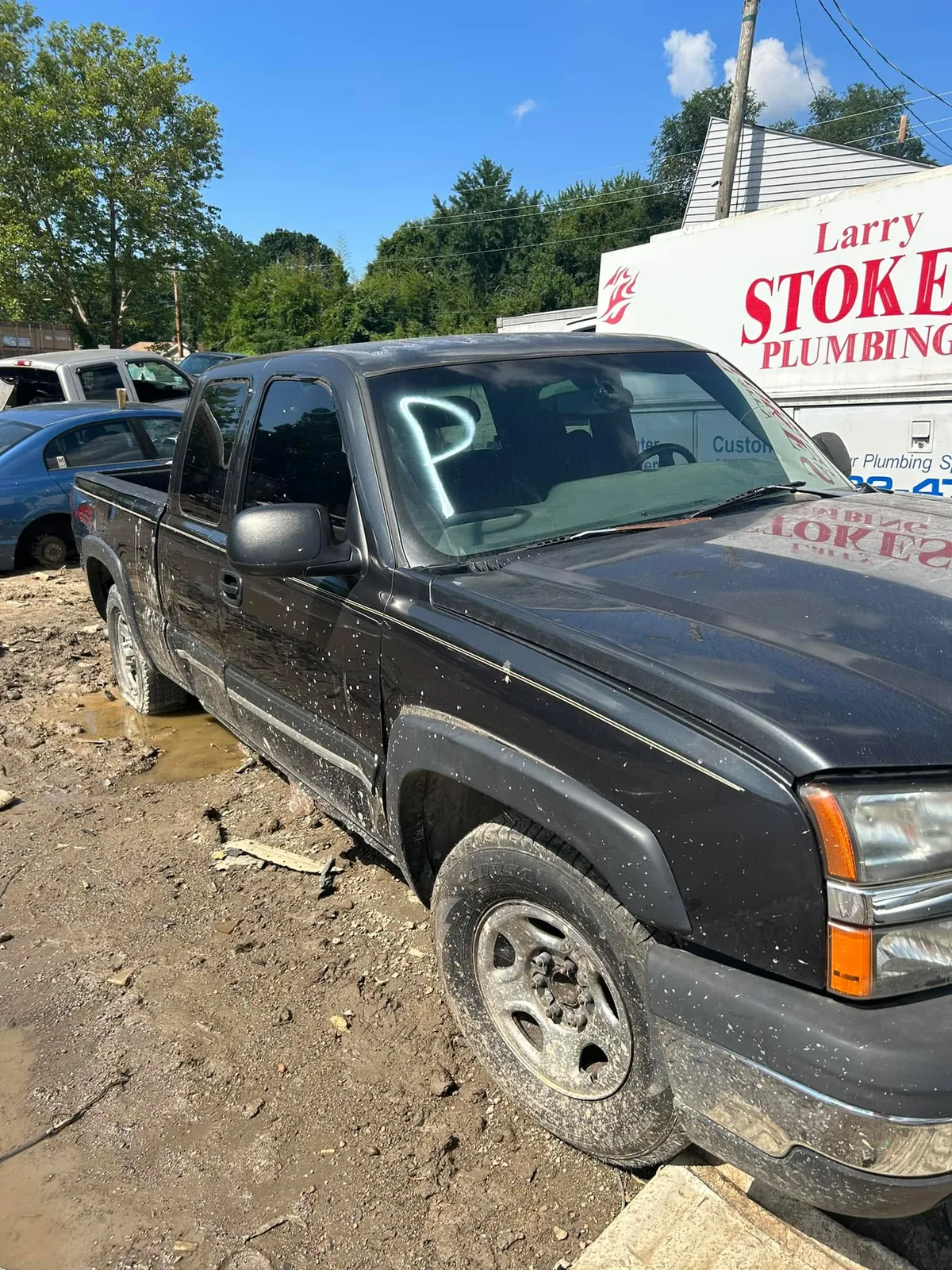
Where does the scrap yard’s profit come from? The spread between what they pay you and what the metal fetches downstream. Shredded auto scrap was trading around $415 per metric ton at the mill level (ScrapMonster, April 2026). That gap covers crushing, hauling, shredding, and sorting — plus margin.
Here’s the part that matters for your wallet: a scrap-only buyer has no reason to pay for your good engine. They have no parts counter, no way to test components, no customers walking in asking for a Camry alternator. A running engine and a blown engine weigh about the same, so they pay about the same. It’s a volume business, and it’s honest — it’s just built to buy metal, not machinery.
When the scrap yard is your best call: the car is rusted through, burned, stripped, or has already been picked over. At that point nobody is paying for parts, because there aren’t any.
How Does a Self-Service Yard Price Your Car?
The self-service model — Pull-A-Part and Indy U-Pull-It run this way here in Indianapolis — flips the labor cost onto the customer. You pay a small admission fee, bring your own tools, and pull parts at flat prices. The yard’s dismantling cost is close to zero, which is clever business.
That model changes what your car is worth to them. A self-service yard earns the scrap floor plus whatever customers pull off the car during the weeks it sits in a row. So for a popular model — an F-150, a Civic, a Silverado — they can afford to pay you more than scrap, because they know foot traffic will strip it steadily.
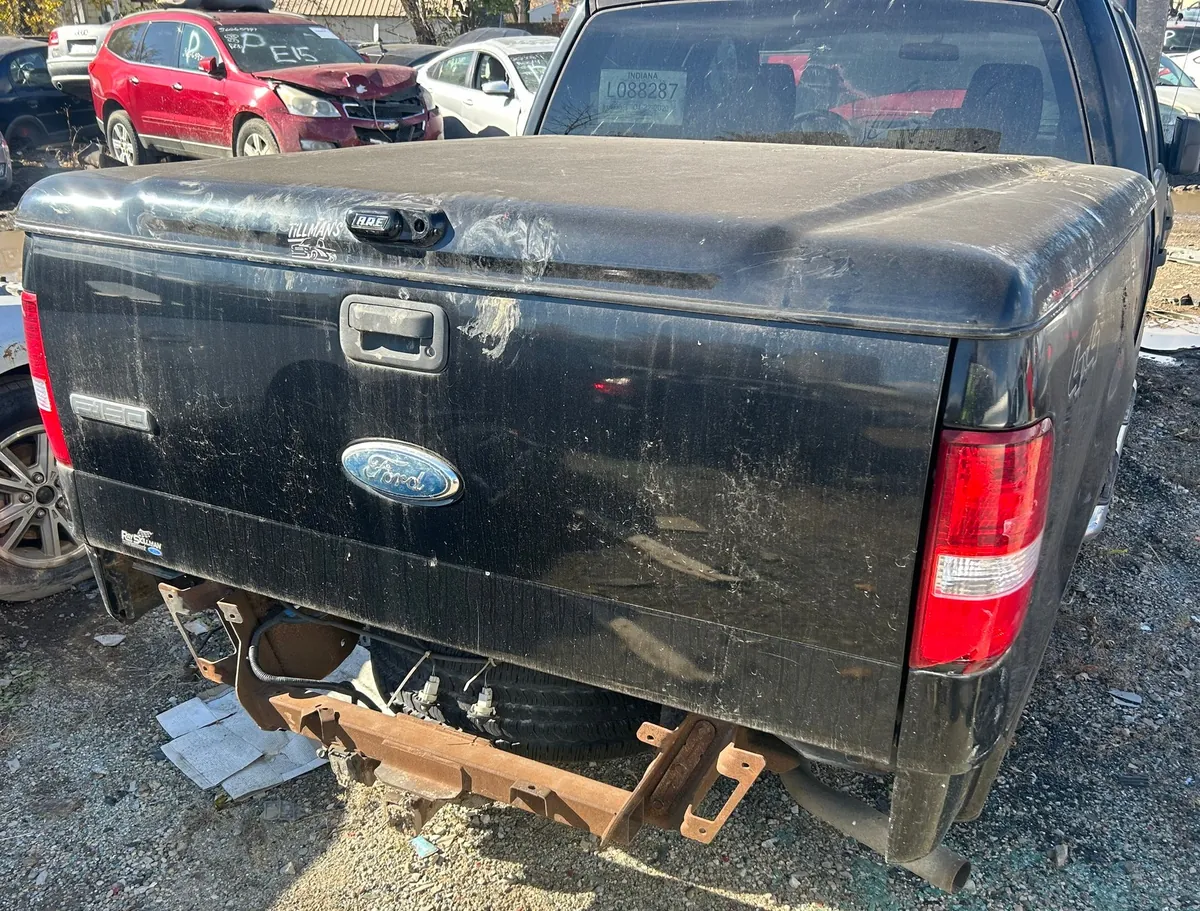
The catch cuts the other way, though. If your car is an oddball — low demand, rare trim, a model their rows are already full of — the expected pulls drop toward zero and the offer drops toward scrap weight. Self-service yards also can’t capture full retail value on any part, because their prices have to stay cheap enough to justify you doing the wrenching. A flat-priced, untested engine sells for a fraction of a tested, warrantied one.
When the u-pull yard is your best call: you own a high-demand model in a market where the local self-service yard is short on inventory. Their offer can land between scrap and full-service money.
Why Does a Full-Service Salvage Yard Pay the Most?
A full-service yard is built to capture the maximum value your car contains, and that’s exactly why it can afford the biggest check. Staff dismantle the vehicle professionally, test the components, inventory them, and sell them over a retail counter — with a warranty behind them. Then the hull still goes to the crusher for scrap. Two revenue streams from one car, three if the yard runs its own towing.
The demand side is what most sellers never see. Recycled original equipment parts sell for 20-80% less than new parts (Automotive Recyclers Association, 2026), which keeps a steady line of DIYers, body shops, and mechanics at the counter. As Scott Robertson, then President of the Automotive Recyclers Association, put it in 2021: “Every day over 500,000 ROE parts are sold to consumers who want to protect the residual value of their vehicle.” Roughly 86% of a vehicle’s material content ends up recycled, reused, or recovered (ARA, 2026) — and a full-service yard monetizes more of that 86% than any other buyer type.
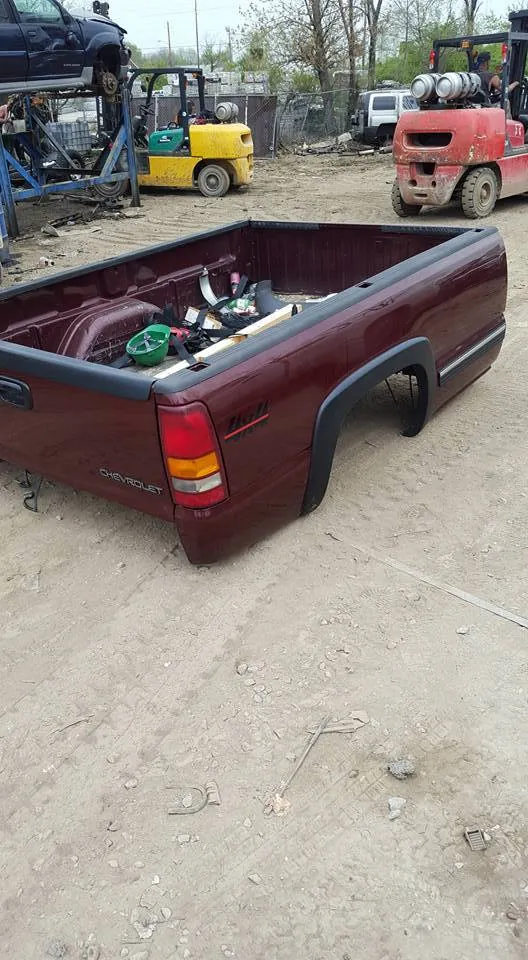
This is the model we run at The New Country Auto Parts: hundreds of vehicles in the yard, fresh inventory added daily, part-pullers on staff, and a 30-day warranty on every part sold. We’re also vertically integrated — Cash Car Heroes, our car-buying brand, buys the vehicles with free towing, we sell the parts, and the leftover metal gets recycled. Because the same operation profits at every stage, we can push more of the car’s value back to the seller instead of losing it to handoffs between separate companies.
Now the honest limitation, because a post about economics should follow its own rules: a full-service yard does not always pay the most. If our rows already hold six of your exact model, or your car’s best parts are damaged, the expected parts revenue shrinks and our offer slides toward the scrap floor like everyone else’s. The model gives us a higher ceiling, not a guaranteed one. That’s exactly why you should understand the math instead of memorizing a company name.
Want a real number for your car? The New Country Auto Parts pays cash for cars in any condition across Central Indiana — quotes in 10-15 minutes (8am-8pm), free towing, cash or check on the spot. Call (317) 538-4824 or get your offer →
How Does an Online Junk Car Buyer Make Money?
Type “sell my junk car” into Google and the top results are national quote sites. Enter your VIN, get an instant offer, schedule a pickup. Here’s what’s actually happening behind that form: most online buyers are aggregators. They don’t own a yard, a crusher, or a parts counter. They buy your car and route it to a local salvage yard or scrap processor — often one in your own city — and keep the spread.
That structure puts a hard ceiling on their offers. The local yard fulfilling the pickup still needs its full margin, and the aggregator’s cut has to come from somewhere. It comes out of you. A middleman can’t consistently pay more than the yard’s direct price minus the middleman’s profit — that’s the entire business.
To be fair, the convenience is real. The quote takes ninety seconds, and for sellers who don’t want to make three phone calls, that trade can be worth it. But go in knowing what you’re trading: you’re paying a broker fee, silently, in the form of a lower offer.
One thing to watch with any buyer, online or local: the quote that shrinks when the tow truck shows up. Ask whether the offer is firm and get it in writing before you schedule. A buyer who quoted honestly won’t flinch at that question, and a reputable local yard will stand behind the number it gave you.
One Truck, Four Offers: The Economics in Action
Let’s make it concrete. Say you’re selling a 2008 Ram 1500 — about 5,000 pounds, so 2.5 tons of metal, worth up to roughly $500 at the top of the current $120-$200 per-ton range (Junk Car Medics, 2026). The transmission is blown, but the engine runs, the body panels are straight, and the catalytic converter is still on it. Here’s how each buyer type sizes up the exact same truck:
| Buyer | The Math They Run | Where the Offer Lands |
|---|---|---|
| Scrap-only yard | 2.5 tons × $120–$200/ton, engine condition irrelevant | $300–$500 — the metal floor, take it or leave it |
| Self-service yard | Metal floor + a cut of expected DIY pulls (engine, tailgate, wheels) | Above the floor — Ram parts move fast off the rows |
| Full-service yard | Metal floor + retail value of a tested engine, straight panels, and an intact converter | Top of the market — the parts outweigh the metal |
| Online aggregator | A local yard’s number minus the broker’s margin | Below what that same yard would pay you directly |
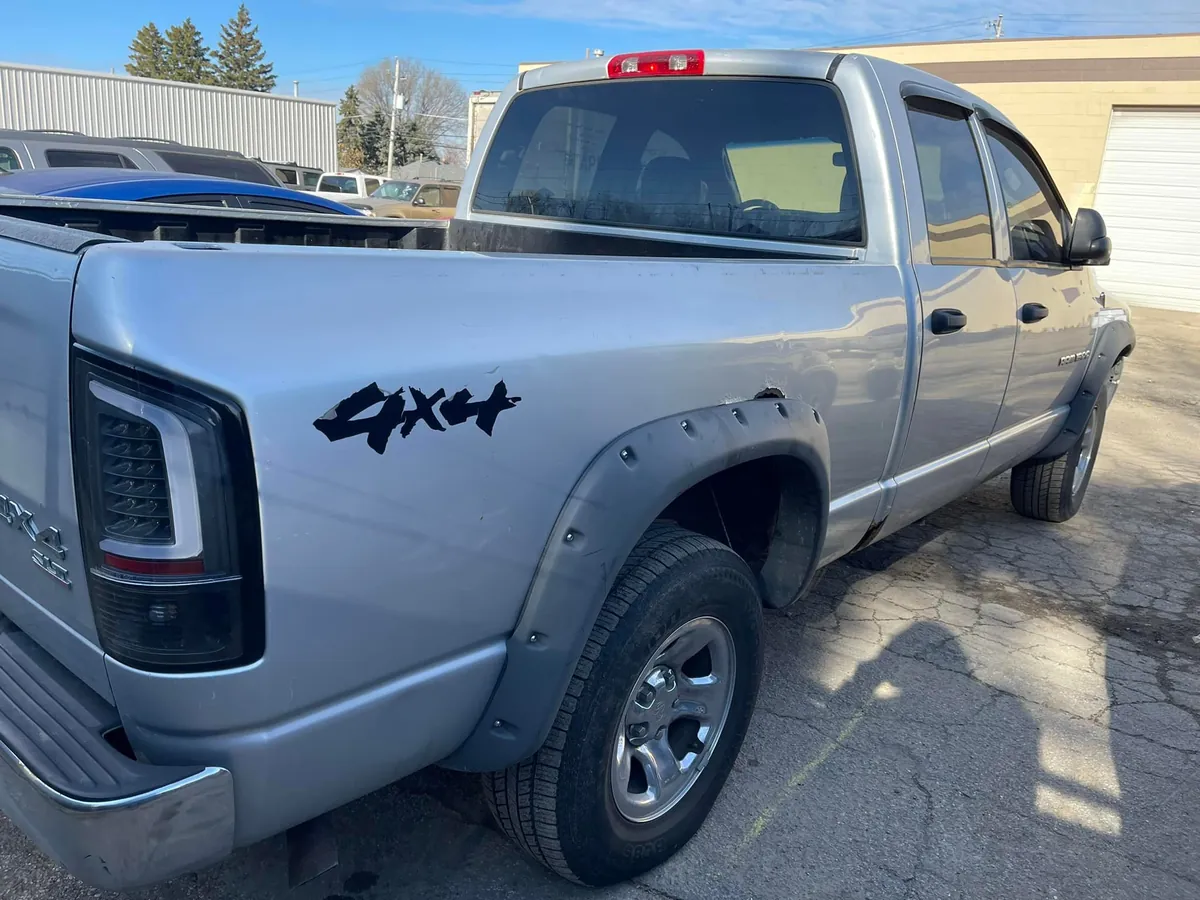
Read the table bottom-up and the lesson jumps out: the more of your specific truck a buyer can sell, the more of its value they can hand back to you. A blown transmission barely dents the full-service offer, because the running engine, the panels, and the converter carry the deal. At the scrap yard, that same truck is just weight — the good engine earns you nothing.
That’s also why there is no single company that pays the most for every car, everywhere, every time. Anyone who claims otherwise is marketing, not explaining. What stays true is the pattern: parts-rich car, full-service yard; parts-poor car, scrap price everywhere. We walk through what that handoff looks like in person in our guide to selling your car to a salvage yard.
Got a parts-rich truck or SUV? Those are exactly the vehicles The New Country Auto Parts pays top dollar for — we can sell what’s bolted to them. Call (317) 538-4824 for a quote in 10-15 minutes. See what yours is worth →
How to Get the Most Cash for Your Junk Car in Indianapolis
Knowing the models is half the job. Here’s how to put it to work, whether you’re in Indianapolis proper, Greenwood, Franklin, or anywhere else in Central Indiana:
- Profile your car honestly. Running engine, clean panels, intact catalytic converter, popular model? That’s a parts-rich car — talk to parts yards first. Rusted shell or stripped hulk? It’s scrap-grade, and the weight math in our junkyard payout guide tells you what’s fair.
- Get quotes from different buyer types, not three of the same type. Three scrap yards will land in the same narrow band because they’re running identical math. One scrap quote, one self-service quote, and one full-service quote shows you the real spread. If you’re still weighing whole-car sale against parting it out yourself, compare all three selling options first.
- Have your title ready. Missing paperwork knocks money off every offer, and Indiana has specific rules worth knowing before you call — we covered them in our Indiana title laws guide.
- Ask two questions before booking a pickup: “Is this offer firm?” and “Is towing free?” A yes in writing on both is the mark of a buyer who quoted you honestly.
- Mention the good stuff. The catalytic converter, the running engine, the new tires — a parts-focused buyer will pay for them, but only if they know. A scrap buyer won’t care, which itself tells you who you’re talking to.
And a tell worth remembering: ask any buyer, “Do you sell used parts?” If the answer is no, you’ve found the ceiling of their offer — they can only pay you for metal. If the answer is yes, ask what they’d want off your car. The longer their answer, the better your number is about to be.
Skip the guesswork. Bring the title, we’ll run the math with you in person — and if you’d rather shop parts than sell, come see the yard: hundreds of vehicles at 3013 Stanley Ave, Indianapolis. Plan your visit →
Frequently Asked Questions
Who gives the most cash for junk cars near me?
For most vehicles with usable parts, a local full-service salvage yard pays the most, because it resells parts at retail on top of scrap value. In Indianapolis, The New Country Auto Parts quotes in 10-15 minutes at (317) 538-4824. For stripped or rusted-out cars, compare that quote against a scrap-only yard — the offers will be close.
Why do junk car offers vary so much between buyers?
Because each buyer monetizes a different slice of your car. A scrap processor sells only the metal, worth about $120-$200 per ton (Junk Car Medics, 2026). A self-service yard adds DIY parts sales, and a full-service yard adds retail parts with warranties. More revenue streams mean a higher possible offer on the same vehicle.
Do online junk car buyers pay less than local junkyards?
Usually, yes. Most online buyers are aggregators: they route your car to a local yard and keep the spread between the two prices. That broker margin comes out of your offer. What they genuinely offer is speed and convenience — a fair trade for some sellers, but rarely the highest number available for your car.
Does a scrap yard or a salvage yard pay more for a junk car?
A salvage yard pays more whenever the car has sellable parts, because parts retail for far more than their weight in steel. A scrap yard pays more — or at least the same — when the car is a bare hull with nothing left to pull. The average complete car carries just $225-$350 in scrap value (Junk Car Medics, 2026).
Why did the offer drop when the tow truck showed up?
Some buyers quote high to win the appointment, then “re-inspect” and cut the price at pickup, betting you’ll take the lower number rather than reschedule. Protect yourself: describe the car accurately, get the offer in writing, and confirm it’s firm before booking. Reputable yards honor the number they quoted.
Is a non-running car worth more than scrap weight?
Often, yes. A car that won’t drive can still hold a good transmission, straight body panels, alloy wheels, and a catalytic converter — parts that sell for 20-80% less than new at recycled-parts counters (ARA, 2026) and still beat scrap math for the yard. Dead is not the same as worthless; the parts decide.
How do I know if my car is parts-rich or scrap-grade?
Ask three questions: Does the engine run or turn over? Are the body panels straight and rust-free? Is the catalytic converter still attached? Two or three yeses on a common model means parts-rich — get a full-service quote first. Zero yeses means scrap-grade, and weight times the per-ton rate is your realistic number.
Which Junk Car Buyer Should You Call First?
Call a full-service salvage yard first if your car still has good parts bolted to it, and a scrap-only yard first if it doesn’t. Selling a junk car isn’t about finding one magic buyer. It’s about matching your car to the business model that can squeeze the most value from it — and now you know how each one works. If you’d like the numbers run on yours, we’re happy to do it in the open, and our used parts counter is proof of exactly where the money comes from.